Working with fynbos

While it is not easy to put a monetary value to the biodiversity of the region, a recent natural resource economics study estimated the total economic value of the CRFR as at least R10 000 million per year. The landscapes and biodiversity of the region have a lot to offer its inhabitants. If wisely managed, the natural landscapes and biodiversity of the Cape have the potential to sustain many livelihoods in the long term. While tourism is the obvious draw card, others industries such as sustainable flower harvesting, rooibos and honeybush tea, buchu, thatching, sour fig and medicinal plants are all important economic activities. Continue reading

Posted in Working with fynbos | Leave a comment

Fynbos conservation

Global Environment Fund (GEF) facility. Through the Cape Action Plan for People and the Environment (CAPE) significant funds were mobilised for fynbos conservation and a number of far reaching, co-operative, multi-sectoral conservation programs were initiated. The stage was set in the fynbos and broader Cape Floristic Region for a quiet revolution in the way fynbos was perceived and how it could be sustainably utilised, appreciated and conserved. Continue reading

Posted in Conservation | Leave a comment

Fynbos and fire

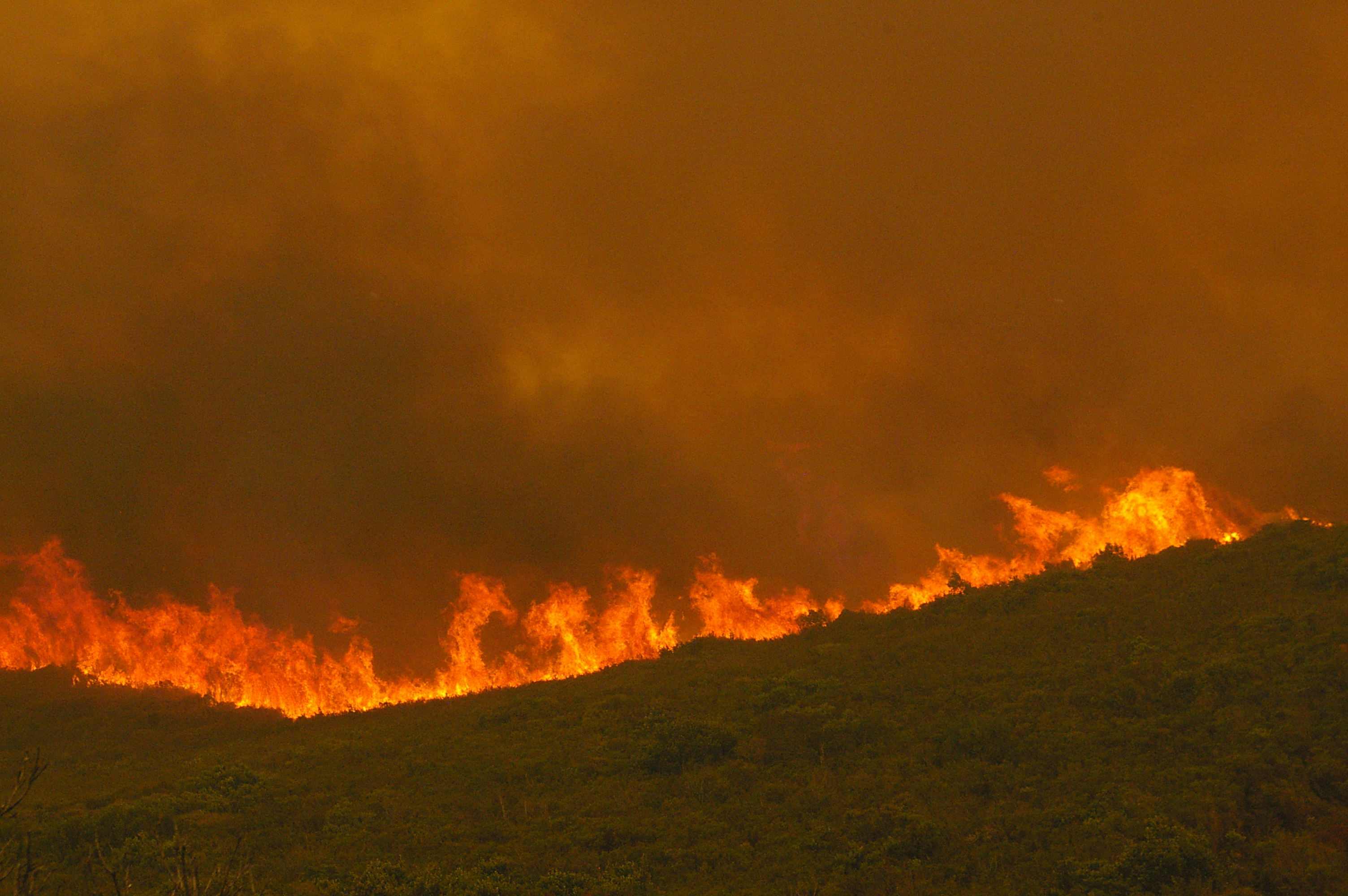
Fynbos is a fire-adapted vegetation that requires regular burning for its persistence. In the absence of fire, fynbos is gradually replaced by thicket species. It thrives on infertile soils and fire is the mechanism that recycles precious nutrients from old moribund growth into the soil.  Fire in fynbos is far from a disaster, but rather a crucial trigger that resets the fynbos ‘succesional clock’. It provides the stimulus for dormant seeds to germinate and the opportunity for many annuals, short-lived perennials and bulbs to grow, flower and seed during times of abundant nutrients and sunlight. Continue reading

Posted in Fire diary | Leave a comment

Fynbos Ecology

The fynbos is full of amazing ecological adaptations, interactions and dependencies. Many types of mammals, birds and insects play a role in fynbos pollination and dispersal. Since the 1970’s there has been a huge interest in fynbos research amongst the scientific community that has yielded a remarkable body of scientific literature. Unfortunately much of this research is hidden away in scientific journals making it difficult to find, is full of scientific jargon and generally hard to understand.  My blogging philosophy in the ecology category aims to convert these wonderful scientific discoveries into stories in such a way that nature comes to life for the readers.

Posted in Ecology | Leave a comment

Fynbos Diversity

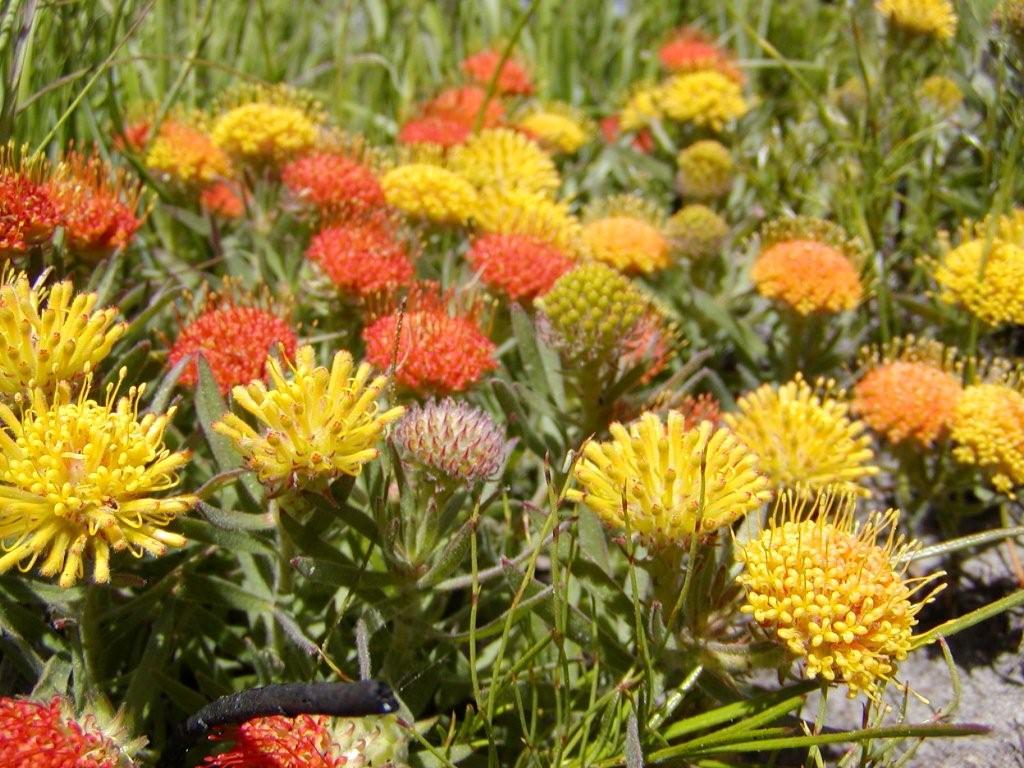
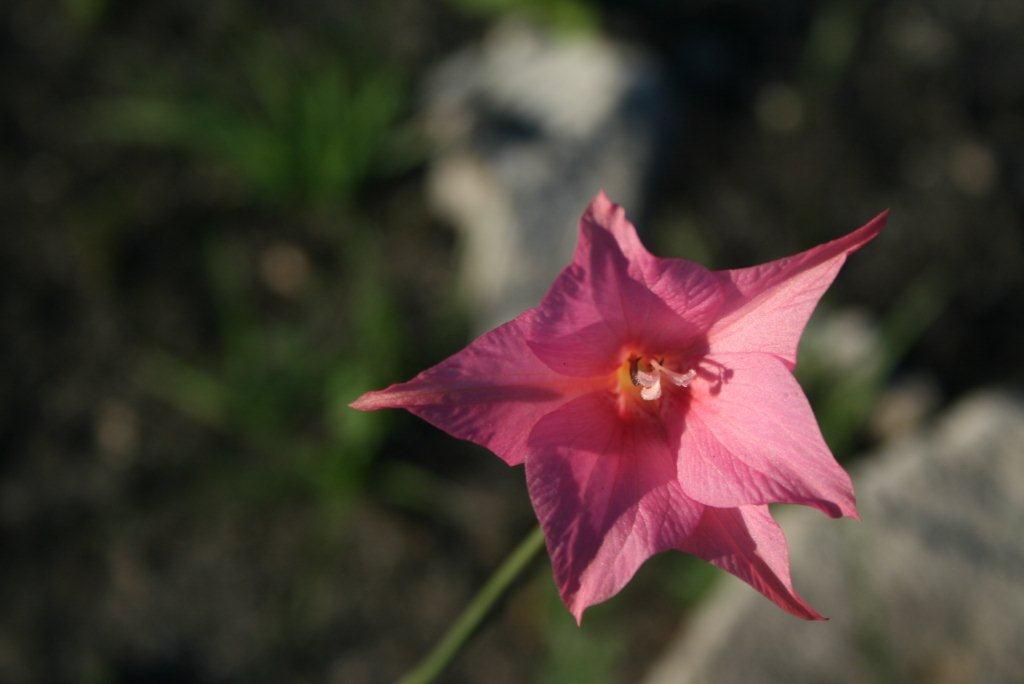
The Cape Floristic Region is home to one of the richest floras in the world. Within an area of just 90 000 km2 there are over 9250 species of flowering  plants, some 70% of which are restricted to the region. Fynbos is the major element of this region, contributing more than 80% of its species. It is a vegetation type that is dominated by shrubs and characterised by reed-like plants (the restioids). The name is derived from the original Dutch name “fijnbosch’ or fine bush. The region also includes renosterveld, karroid shrubland, thicket and forests. Fynbos is not only famous for its remarkable diversity, but also the beauty of many of its wildflowers. Continue reading

Posted in Diversity | Leave a comment