Today I accompanied our new intake of twelve Green Futures students to Salmonsdam Nature Reserve near Stanford on the Agulhas Plain. The beautiful little nature reserve is tucked away off the beaten track and not very well known by visitors to the region. It has always been a family favourite and was the place I learnt to swim in the brown waters of the old swimming trough at the bottom of the campsite. It really hasn’t changed in the last thirty years and I think that is part of its charm and one of the reasons it remains one of my favourite places. There are some wonderful walks, 4X4 and mountain biking routes on the Reserve. We took a short walk to the waterfall and I was able to show the students a lot of different plants, fynbos, wetland and forest vegetation and explain lots of cool eco-stories. They loved it and it was great to see their enthusiasm and interest once we got out of the classroom and touched, smelt and experienced our beautiful flora first hand. We even pulled out a few alien plants, spotted an awesome mole snake (see photos below) and ended the trip with a boerewors braai and some singing, dancing and football.
Below are a couple of our discoveries from Salmonsdam.

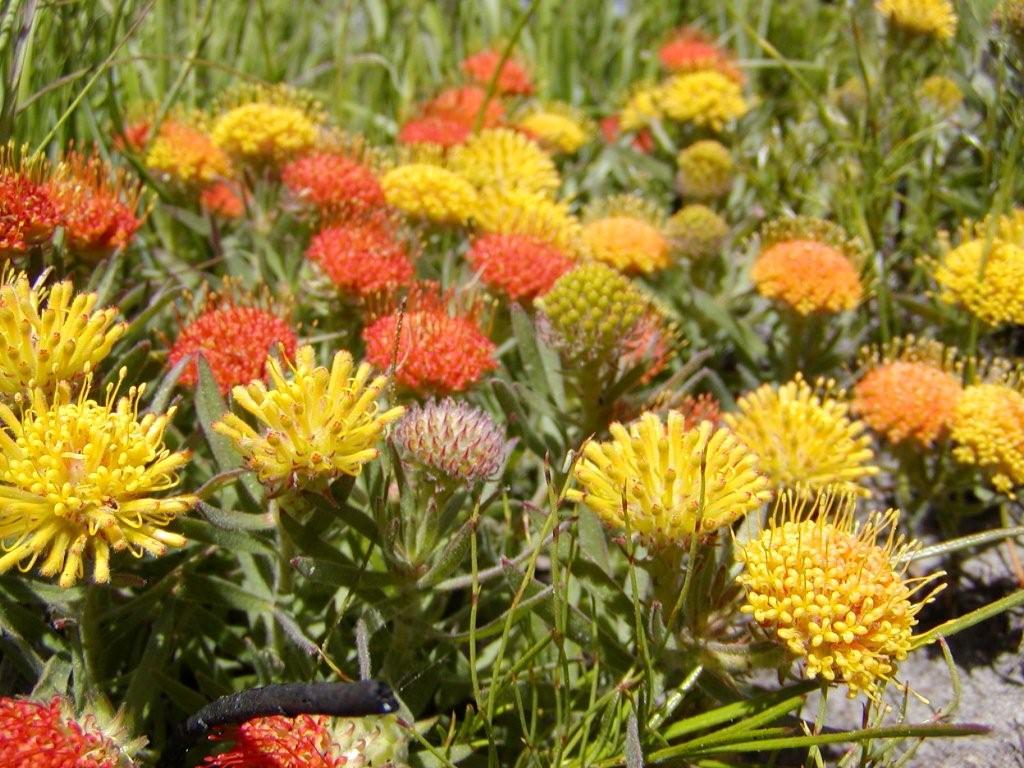
This is a very beautiful red form of Leucadendron salignum (geelbos, common sunshine conebush). It’s a multi-stemmed shrub that is able to resprout after fire from a woody rootstock. This is the most widespread member of the Protea family in the fynbos, occuring from the Bokkeveld Escarpment to the Cape Peninsula and eastwards to the Eastern Cape. This species is characterised by its wide colour variation of leaves and bracts. In our area most are yellowish-green so it was great to see this vivid orange-red population at Salmonsdam today. The well known hybrid Safari Sunset with its bright red leaves and bracts is a cross between Leucadendron salignum and Leucadendrom laureolum and is a popular export flower in many parts of the world.

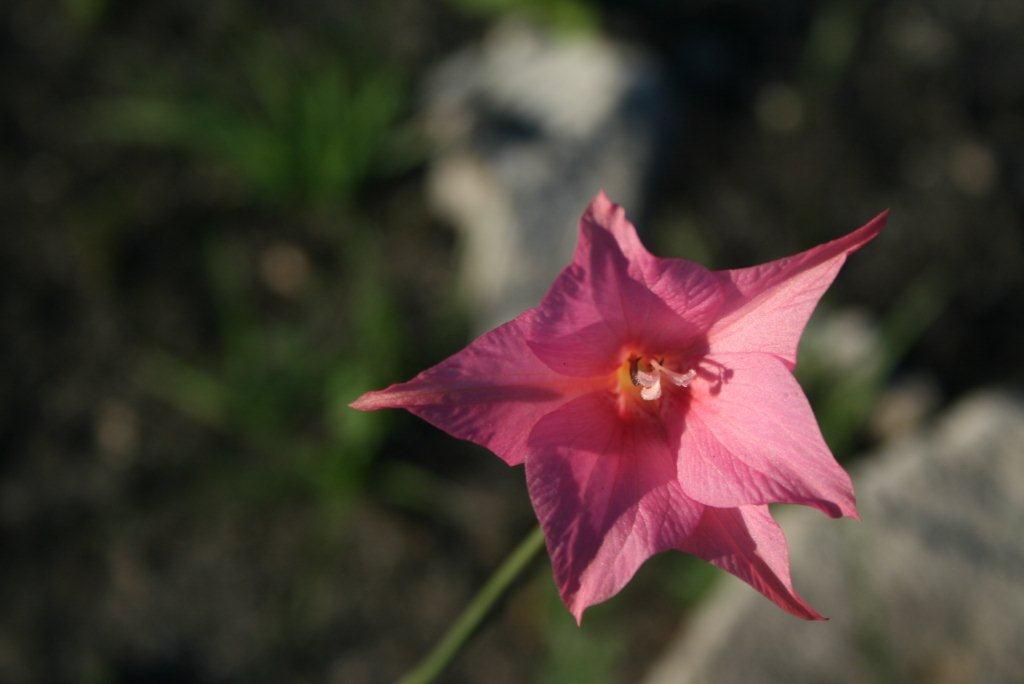
This beauty is Erica longiaristata (pinkies) in full flower in Salmonsdam Nature Reserve. This species has a narrow distribution range growing on the mountains from Hermanus, Baardskeedersbos to Elim and Napier.

This chap is of the mole snake (Pseudaspis cana) that we discovered at the camp site on returning from our walk. This species of snake is common in sandy soils in the fynbos where it enjoys tucking into the local mole rat populations. It can grow to up to 2m long and is non-venomous although it can give a good bite if it gets a chance. In mature individuals the body is mostly one color. In our area and most of its southern range it is black like this specimen but can also vary from yellow to brown to grey. The young have dark markings and spots that are gradually lost as the individual ages.
While I could see that the students were very nervous it was a great opportunity to show them that these snakes will always move off if given a chance and are really harmless to humans and an important part of the ecology.