What is renosterveld?

renosterveld on www.fynboshub.co.za

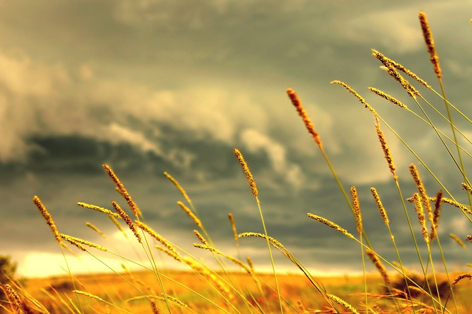
Renosterveld derives its name from the renosterbos, a member of the daisy family which is the most characteristic species found in this vegetation type.  Renoster is afrikaans for rhinoceris and the name renosterbos was probably originally associated with the plant being food of the black rhinoceros or the plants similar grey appearance to rhinoceros hide. The Black rhinoceros was relatively common in this region in the past. Renosterveld together with succulent karoo and fynbos make up the fynbos biome. Renosterveld shows a strong resemblance  to fynbos but it lacks restioids, proteoids are extremely rare and it grows on clay-rich soils that are always less sandy and more fertile than fynbos soils.

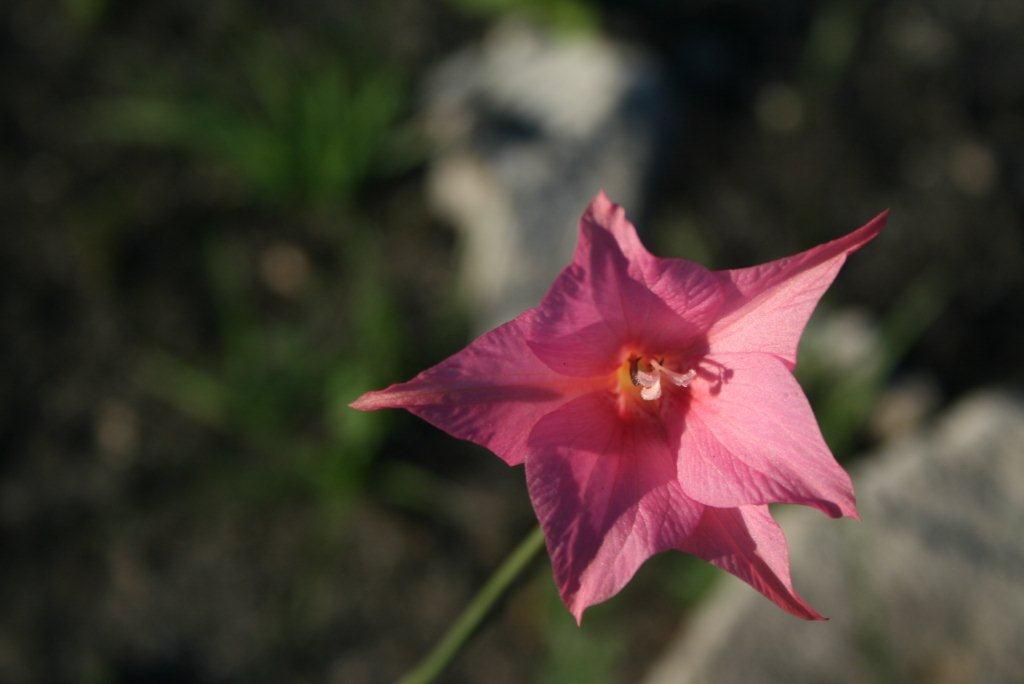
Moraea elegans photographed on Wildekrans EstateRenosterveld is characterised by an extremely high diversity of bulbs. It grows in areas in the Cape where rainfall is less than about 600 mm and is replaced by succulent karoo where rainfall drops below 250 to 300 mm per anum.

Renosterveld was once widespread on the lowlands of the west coast (the Swartland) and the south coast (the Overberg). In former times this vegetation would have supported large numbers of bontebok, quagga and other grazers but most of this vegetation has been converted to farmlands, owing to the fertility of the soils. Today almost all renosterveld has been converted to rolling hills covered in barley, wheet and canola and very little (less than 3%) of the renosterveld remains.  As a result, all remaining patches of intact renosterveld are extremely valuable and every effort should be made to protect them.

Posted in Conservation, Diversity, Ecology, Events and conferences | Leave a comment

What’s flowering – Salvia africana-lutea

The brown sage (Salvia africana-lutea) is a popular species used in indigenous coastal gardens in the Cape. It has a natural distribution on dune sands from Namaqualand to the Cape Peninsula and eastwards to Port Alfred. Brown sage is a hardy species, perfectly adapted to coastal conditions and its unusual brown flowers are excellent for attracting sunbirds to the garden.

brown sage, Salvia africana-lutea flowering on Grootbos Nature Reserve

A closer look at the flowers reveals interesting adaptation to bird pollination. Brown sage flowers contain sweet nectar which acts as an essential food source for sunbirds, particularly when proteas are not flowering. The hinged anthers of this species are triggered by the probing beak of sunbirds in search of nectar at the bottom of the flower. The anthers bend forward and dab pollen on top of the back of the birds head for transfer to other Salvia flowers.

You can demonstrate this by pushing a thin stick with similar diameter to a sunbirds beak in through this ‘trap door’ and watching how the anthers are pushed out of the flower perfectly to place pollen on the birds head.

Posted in Ecology, What's flowering | Leave a comment

What is fynbos?

Fynbos is the name given to the hard leaved (sclerophyllous) shrublands and heathlands found in the coastal plains and mountains of the south western and southern Cape of South Africa.The name is derived from the Dutch word fijnbosch meaning fine leafed bush and is the term given to a collection of plants – that is a vegetation type. Fynbos is the major component of the Cape Floristic Region which includes renosterveld, karroid shrubland, various thicket types and forest.

fynbos landscape on www.fynboshub.co.za

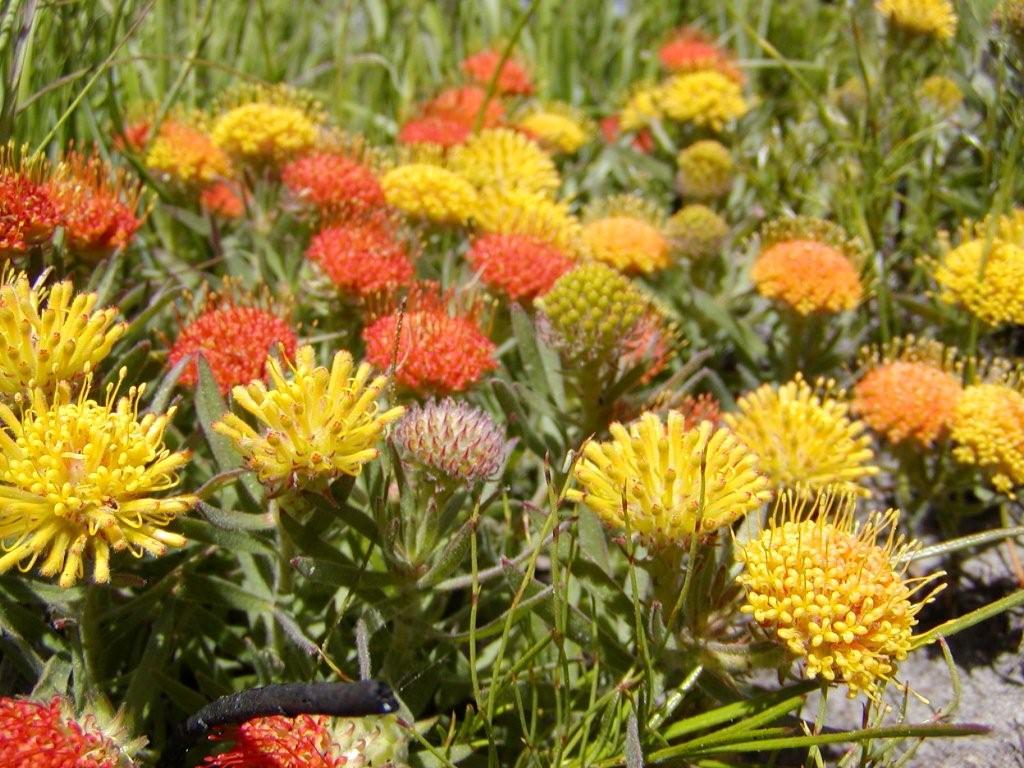
Fynbos has very high species diversity with more than 7000 species crammed into just 46 000 square kilometres at the south western tip of Africa. Fynbos also has very high endemism (uniqueness) with more than two-thirds of its species found nowhere else on the planet. Fynbos contains between 150 and 170 species per 1 000 km2, an astonishing two to three times that measured for tropical rainforests. The source of this remarkable diversity lies not in the number of species found at a particular site but rather in the proportion of species that are shared between sites, either nearby with a different ecology, or distant and with a similar ecology. Measured in this way the diversity of the Cape fynbos is far higher than any other vegetation type in the world.

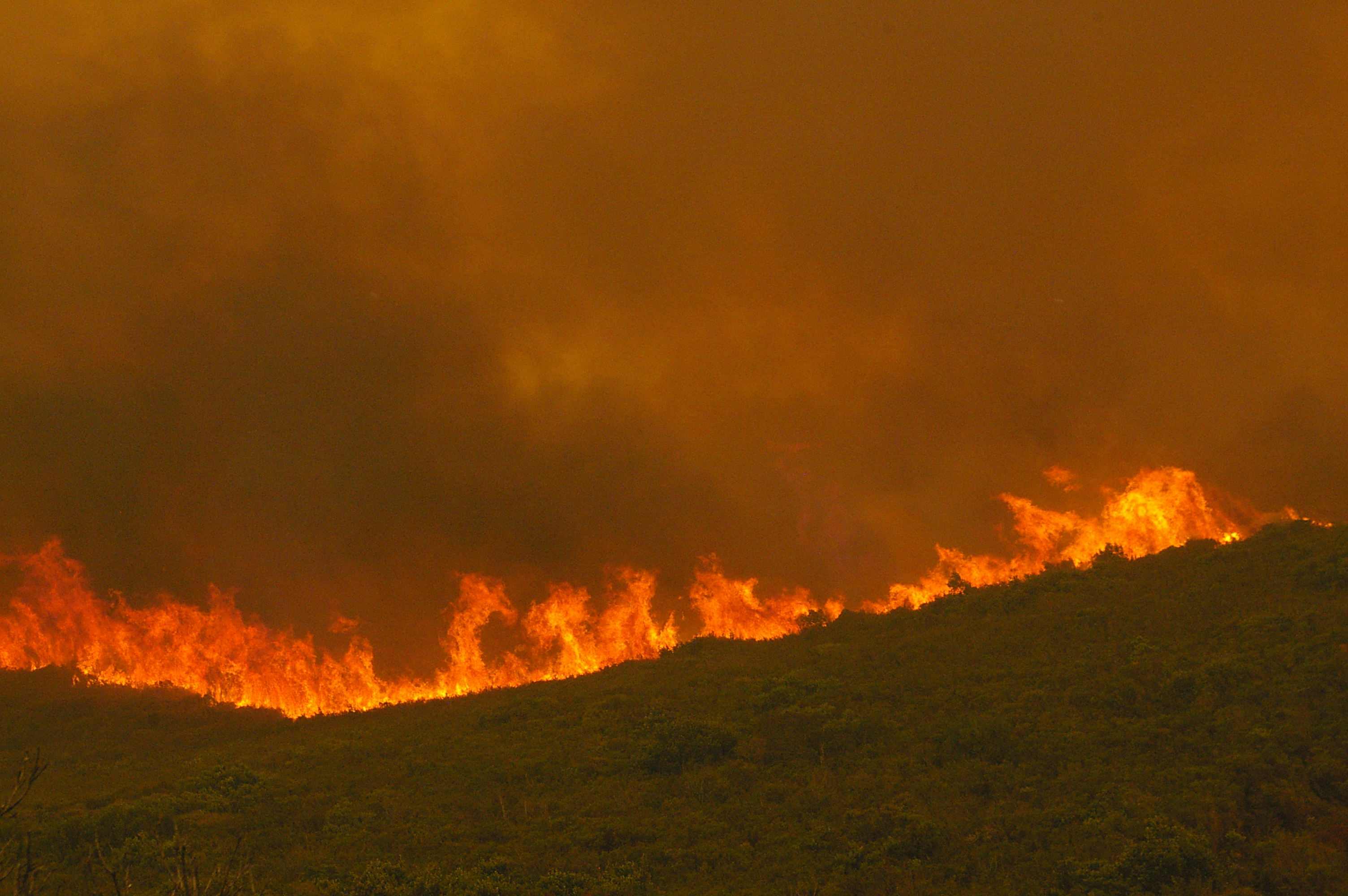
 It is a shrubland with an unusual mixture of plant types of different shapes and sizes that botanists term growth forms (not to be confused with families). For simplicity sake these can be grouped into four major growth forms: tall protea shrubs with large leaves (proteoids); heath like shrubs (ericoids) including ericas as well as all the other needle leafed species such as buchus, blombos etc; wiry reed like plants (restioids) and bulbous herbs (geophytes). The restios are the diagnostic group in the fynbos and vegetation without restios cannot be fynbos.  The major physical force determining where fynbos grows are low soil nutrients, recurring fire and wind.Fire photo on www.fynboshub.co.za

 Fynbos is a highly threatened vegetation type with more than 2000 species listed in the latest IUCN Red list for South Africa. Major threats include invasions by exotic trees, agricultural and urban development, siviculture, climate change and too frequent fires. With so many fynbos species surviving precariously in small populations, fynbos needs all the help it can get.

Posted in Conservation, Diversity | Leave a comment

What’s flowering – Osteospermum moniliferum

The bietou (previously known as Chrysanthemoides monilifera) is a large, fast growing rounded shrub with oval to elliptic toothed leaves. The plant is sparsely woolly on its young parts and bears small clusters of yellow radiate flowerheads. The black, fleshy fruits are much loved by birds and this species provides a great option for a fast-growing species in coastal gardens.

Osteospermum moniliferum on www.fynboshub.co.za

 The bietou is easily grown and makes an attractive garden asset and especially useful pioneer shrub for the new garden. It is a fast grower, requires a sunny, well-drained position and sufficient space. The shrub is very striking during winter, when the bright dense yellow flowers appear. It is naturally a pioneer species that has a limited lifespan (approximately 10 years) but can be effectively used as a mother bush for protecting slower growing tree species in windy areas.

The bietou fruit was formerly used by the Khoi and San as a food source and to make a tonic for men. Ash from the leaves and stems was used in the making of soap. It occurs naturaly on sandstone and dune slopes and flats from Namaqualand to tropical Africa and has become a serious invasive in Australia and New Zealand.

Posted in What's flowering | Leave a comment

Lomond – a place of refuge for the rare Erica axilliflora

While paddling my canoe on Kraaibosch dam in the Uilkraals Valley near Gansbaai last week, I noticed a bright splash of pink on the bank of the dam that I had never seen before. Being an inquisitive botanist I swung over to the bank and found the source of the pink splash to be this beautiful heather, Erica axillifora. Not only had I never seen it before, but it was also the first time that this species has been recorded in the area.

Erica axilliflora on www.fynboshub.co.za

Erica axilliflora on www.fynboshub.co.za

Erica axilliflora is a rare erica species that is very poorly known and undercollected. It has previously ownly been collected at Rietfonteinpoort on ferricrete soils closer to Cape Agulhas and its natural habitat is under threat. Fortunately this small population on the edge of the Kraaibosch Dam is now falling within a protected area that is being managed for conservation by Lomond Wines. The Lomond property covers some 800 hectares of land, of which approximately half will ultimately be cultivated for wine and some 400 hectares of valuable Overberg dune strandveld and Overberg sandstone fynbos has been set aside for conservation.

Lomond fynbos on www.fynboshub.co.za

Lomond is actively involved in alien vegetation management and rehabilitation of fynbos on their property and are also active members of the Walker Bay Fynbos Conservancy.

Posted in Conservation, What's flowering, Working with fynbos | Leave a comment

Fynbos for coastal gardens

The majority of fynbos species are adapted to acidic (low ph) soils typical of the mountainous regions of the Western Cape. Gardening with fynbos along the coastal regions therefore requires an understanding of the local environmnet, pressures on the plants and what species are best adapted to these conditions. Coastal gardens are typically characterised by deep sandy soils that are neutral to alkaline (higher ph) and are regularly influenced by strong salt-laden sea winds.

When planning your coastal garden learn from nature and don’t try and create that lush green paradise that you have always dreamed of – it simply wont work. Many gardeners, especially those moving from inland or upcountry, have failed because of preconceived ideas and a lack of understanding of local conditions along the coast. The main considerations when it comes to design and plant selection are soil, wind, aspect and sun/shade.

Soil as mentioned earlier is extremely important. In some coastal areas the rocky acidic soils reach virtually to the coast and you may well be able to grow acid-loving fynbos. Take a look at the soil. Is it deep white-grey sandy soils, much like one would find on the beach or sand sunes. If so then you are limited to alkaline-tolerant species (and the majority of proteas and ericas for example wont work). Whereas if your garden is characterised by being more rocky with grey to brown soils it is likely to be acidic of Table Mountain sandstone origin. A simple PH tester available at most nurseries will help to determine soil pH and in turn which plants are most suitable.

 Wind is a big problem, especially in the south western Cape along the coast. In most cases it is not so much the wind but the salt-laden sea air combined with heavy winds that is so damaging to the garden. I have seen some great examples of people cleverly using features of there house (boundary walls or even the house itself) to break the wind, enabling them to plant more wind-sensitive plants. It is also possible to create protected pockets in the garden through the clever planting of hardy, wind-tolerant trees and large shrubs as mother bushes, providing protection for more sensitive species. Good examples of fast growing large shrubs and trees for coastal gardens are Brachylaena discolor (the coastal oak), Tarchonanthus camphoratus (wild camphor), Chrysanthemoides monilifera (bietou), Metalasia muricata (blombos), Rhus lucida (glossy currant, blink taaibos) and Rhus crenata (dune crowb-erry).

Chrysanthemoides flower on www.fynboshub.co.za

Searsia lucida (Rhus lucida) on www.fynboshub.co.za

Metalasia muricata on www.fynbosblog.co.za

The other important consideration is the amount of sun/shade in your coastal garden. This may vary considerably between seasons. By far the majority of fynbos plants are happiest in full sun although there are a few species that are tolerant or even prefer shade. Species that are adapted to coastal conditions and are shade loving include Asparagus densiflorus, Polygala myrtifolia (september bush), Plectranthus madagascariensis, Plectranthus fruticosus and  Anemone (Knowltonia) vesicatoria.

Polygala myrtifolia on www.fynboshub.co.za

Some fynbos bulbs species that do well in coastal soils under shade include Chasmanthe aethiopica (cobralily), Clivia miniata, Lachenalia bulbifera, Lachenalia rubida  and Zantedeshia aethiopica (arum lily). 

Chasmanthe aeathiopica on www.fynboshub.co.za

Some of our hardy coastal species that enjoy full sun include Athanasia trifurcata, Chironia baccifera (christmas berry), Cotyledon orbiculata (plakkie, pigs ear), Felecia echinata, Gazania pectinata,  Helichrysum dasyanthum, Helichrysum patulum (kooigoed), Lessertia (was Sutherlandia) frutescens, Leonotis leonorus (wild dagga), Metalasia muricata (blombos), Metalasia densa, Muraltia (was Nylandtia) spinosa, Pelargonium betulinum (maagpynbossie), Pelargonium capitatum (coastal malva), Phylica ericoides, Protea obtusifolia (limestone sugarbush), Leucadendron coniferum (dune conebush), Leucadendron meridianum, Leucospermum patersonii (silver-edge pincushion) and Salvia africana-lutea (brown sage).

Salvia africana-lutea on www.fynboshub.co.za

Posted in Fynbos Gardening | Leave a comment

What’s flowering – Erica irregularis

Erica irregularis on www.fynboshub.co.za

Driving along the tar road between the villages of Stanford and Gansbaai at this time of the year I am always astounded by the sudden appearance of large splashes of pink on the hill slopes. The source of this amazing floral display is the pink flowered Gansbaai erica, Erica irregularis. This beautiful erica is only found on the deep sandy soils on the slopes overlooking Walker Bay in an area of not more than about 300 hectares.

erica irregularis, the Gansbaai erica on www.fynboshub.co.za

It is en erect shrub that grows up to 1.5m tall with upright branches covered with pink, rounded flowers that are constricted at the mouth and are borne on long woolly stalks. The stalks are arranged in a somewhat irregular fashion, hence the latin name ‘irregularis’. It is a local endemic that has a red data book status of endangered owing to its localised distribution and threat from wild flower harvesting and alien vegetation. Fortunately most of its population is now safeguarded in the private Grootbos Nature Reserve where all alien vegetation has been removed and no flower picking is permitted.

Posted in Diversity, What's flowering | Leave a comment

Sharks, tortoises and nasty tractors

On the weekend I took my family for a drive down to the Kleinbaai harbour near Gansbaai. Every day hundreds of tourists from all over the world drive down this road to go White shark diving. It has always been quite a pretty drive characterised by fynbos on either side of the road. Late in the evening a while back I even saw a mother caracal with its baby dashing from one side to the other and quickly disappearing into the dense bush on the side of the road. Now suddenly on Sunday I see that all the fynbos has been bushcut to create another fire break. The craziest part is that whoever cut the firebreak decided that the rooikrans (Acacia cyclops), which is a category 1 alien invasive tree, should be carefully cut around and left for all to enjoy!

Kleinbaai fire break on www.fynboshub.co.za

What really got me thinking about how we value things is that Gansbaai has been proudly coined the White Shark Capital of the World. At the bottom of this road is Keinbaai harbour, home to the licenced white shark tour operators. Each day they launch their boats crammed with eager adventure seakers, adrenalin junkies and nature lovers. Now I have no doubt as to the exceptional tourist pulling power of the Great White Shark and the marine ecological wonder that is Dyer Island. But what a shame it is that most of these visitors drive through one of the worlds most spectacular botanical regions and biodiversity hotspots without taking the time to look, smell and appreciate any of it.

fynbos destroyed on www.fynboshub.co.za

Instead the powers that be decide to remove more indigenous strandveld fynbos along a major tourism route. Fynbos that up until a few weeks ago would have been characterised by exceptional species diversity, almost certainly a number of red data listed plants, plenty of tortoises and a probably a family of lynx. At least they left some Australian Acacias for the tourists to enjoy!

Posted in Conservation, Working with fynbos | 1 Comment

Fire diary – Week 18

Senecio triqueter on www.fynboshub.co.za

This close up of Sencio triqueter was photographed by Heiner Lutzeyer some 18 weeks after the fire. Macro shots like this show the intricate nature of the flowers in the Asteraceae family. The family name is derived from the genus Aster, while Compositae, an older name for the family, means composite and refers to the characteristic inflorescence, which is made up of many smaller florets packed together in a head. These  compact flowerheads are not only attractive to us humans but more importantly are far more effective at attracting pollinators than the individual florets would be.  With over 1040 species of Asteraceae, it is the most diverse family in the Cape flora. On Grootbos alone we have identified 104 different Asteraceae species.

Posted in Fire diary, What's flowering | Leave a comment

What’s flowering – Gladiolus maculatus

Gladiolus maculatus on www.fynboshub.co.za

Gladiolus maculatus (the brown Afrikaner) grows on clay slopes, mainly in renosterveld from the Cape Peninsula to the Eastern Cape. As I had never seen it previously in the Walker Bay region and it is generally restricted to richer clay soils, it was quite surprising to find this beauty on a sandstone mountain slope on Flower Valley farm.

The Flower Valley staff have removed an old blue gum forest on the western slopes of the Valley as part of their alien clearing and fynbos rehabilitation program. The gums, which would have originally been planted as a woodlot, are clearly visible in the 1938 aerial photograph of the Valley, and had probably been planted around 100 years ago. They were felled and burnt and once the smoke cleared an old ruined cottage appeared out of the ashes. These early settlers had a good idea of where the best agricultural lands were. Perhaps the brown Afrikaner was one of there indicator plants for richer soils? Not only is there a natural spring within a few hundred meters, but just in this area (in the middle of a typical sandstone slope covered in acid-loving mountain fynbos), the soil is suddenly richer and more fertile. This clay/ferricrete patch would have provided a much better substrate for the typical subsistance agriculture of the time than surrounding sandstone slopes. However, with time the farm was deserted and the agricultural lands and house were smothered by the gums. And now, following Flower Valley’s clearing of the gums and the trigger of fire, these beautiful Gladiolus maculatus once again have the opportunity to stretch out towards the sun, flower for the first time in decades and provide us a clue as to the fertility of the soils.

Posted in Ecology, What's flowering, Working with fynbos | 1 Comment